SSD endurance ratings act as warranty limits rather than death dates
★ Add us as a preferred source on GoogleTL;DR
SSD manufacturers use TBW ratings to define when a warranty ends, not when a drive will fail, according to reports.
SSD endurance ratings, often listed as terabytes written (TBW), serve as boundaries for warranty coverage rather than predictions of when a drive will fail. Samsung, SanDisk, and Crucial all state that their warranties cover the specified time period or the TBW limit, whichever occurs first. BIWIN, which makes Acer Predator drives, states that reaching the rated endurance limit is considered the end of the product life and is excluded from the warranty. Kingston uses a different metric for its NV3, tying coverage to the drive reaching 100 percent on its Percentage Used attribute.
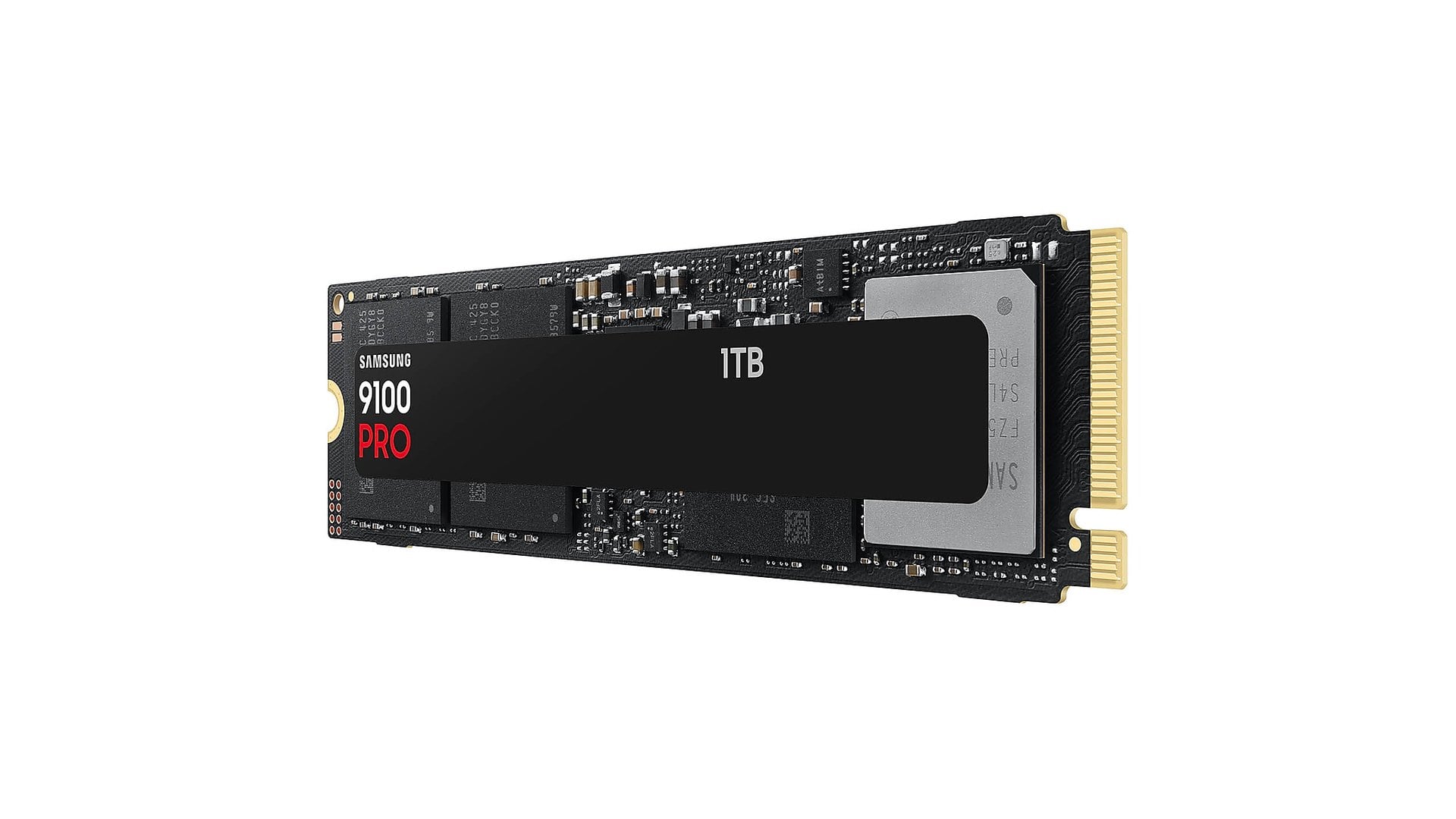
These ratings are derived from JEDEC JESD218 or JESD219 test workloads rather than actual user behavior. For the Samsung 9100 PRO, the 1TB model is rated at 600 TBW over five years, while the 4TB model is rated at 2,400 TBW over the same term. This pattern of doubling the TBW rating with each doubling of capacity is also seen in the SanDisk WD_BLACK SN7100 series. Kingston shows more variance at the 1TB capacity, rating the NV3 at 320 TBW and the KC3000 at 800 TBW. Samsung rates its DRAM-less 990 EVO Plus at 600 TBW per terabyte, matching its flagship PCIe 5.0 drives.
More on SSDs and storage
Earlier coverage
Quick read
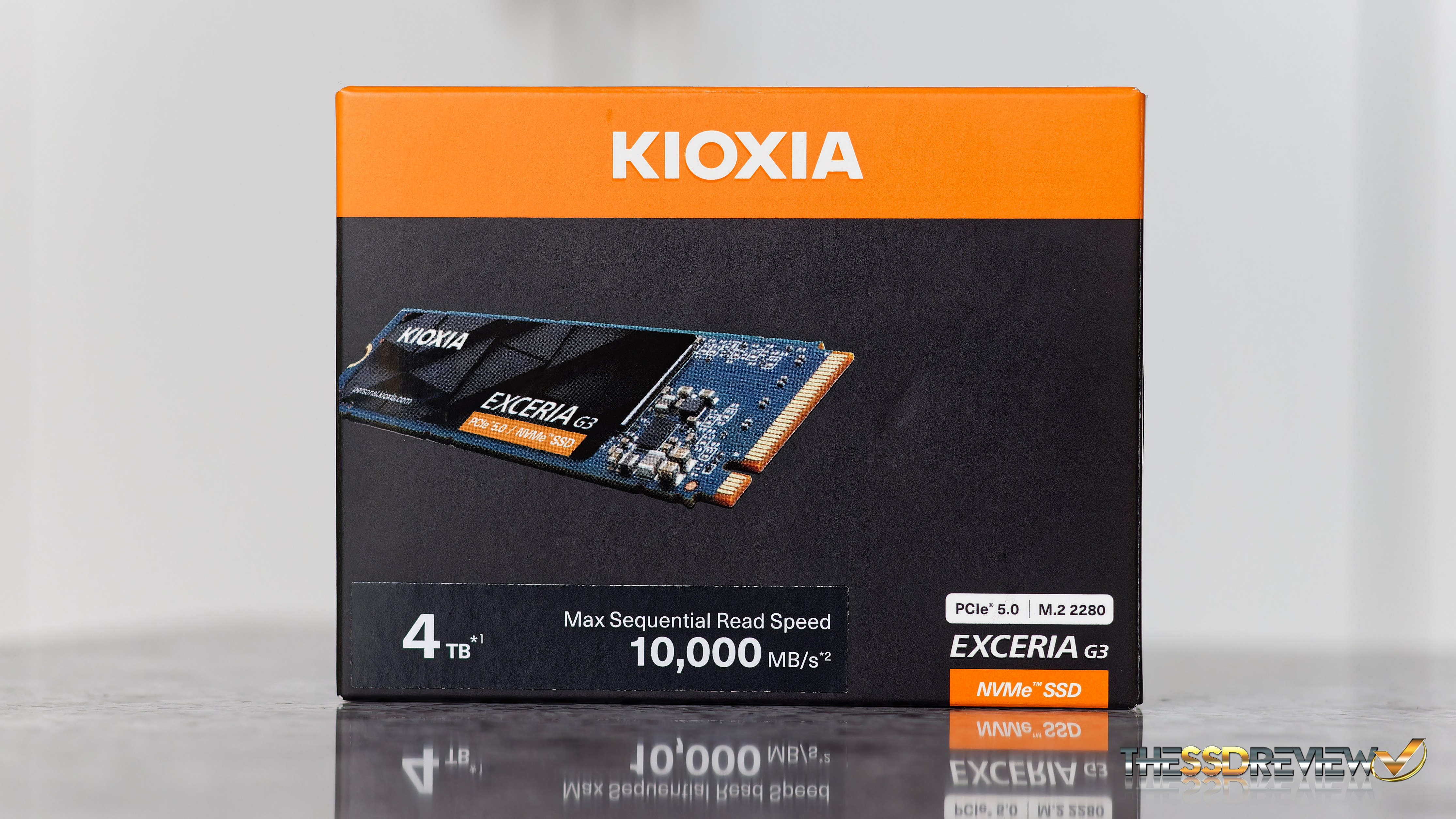
The KIOXIA Exceria G3 is a DRAMless PCIe 5.0 SSD that reaches up to 10,000MB/s read speeds.

Quick read
ICY DOCK says the new MB303E5P-B adapter supports two E1.S NVMe SSDs using a single PCIe x8 or x16 slot.

Quick read
Linux 7.3 includes a fix for Samsung 990 PRO and 990 EVO Plus SSDs that prevents NVMe passthrough errors in virtual machines.
Quick read
Splitting a high-capacity SSD into separate system and data partitions protects files during OS reinstalls.